
2025 Book Highlights
Last week, a friend and I were chatting on the way back home from our monthly Book Club meeting. We’re both chronic yappers with a wide variety of shared interests, so our conversations naturally wander like an expert game of ping pong, bouncing from one topic to the next with little room for air. But this one felt more subdued, more focused. We talked about this past year, and how it’s been for us personally (for him good, for me quite tough) and on a societal level (bad, all around). We also talked about our top books. We’re both people who use books to escape, to educate ourselves, to empathize; he, more than anyone else I know, also reads for a living. Working at our city’s premier local newspaper, he is subjected to a veritable onslaught of human horrors on a near-daily basis. Because of this, I view him as someone who is unflappable in his curiosity; despite his line of work, he actively seeks out books related to current events, like the war between Israel and Gaza, or the fight for abortion rights. And so it came as a sort of relief when he admitted, “I’ve been having a lot of trouble with books this year, too.”
My book count for the year was lower than last year. I try not to quantify everything in my life, but I’m also someone who likes numbers, and so I pay attention to these sorts of things. I DNF’d three books, which for me, is a lot. I’m usually stubborn enough to finish what I started. Part of is that I think I’ve realized that life is too short (and my reading list is too long) to not be that into a book. Still, I think part of it has been a sort of unease, a lack of focus or willingness to let myself escape fully into a narrative.
Despite the numbers, and a few DNFs, there are some remarkable bright spots in the books I did manage to read this year. Without further ado, and in no particular order:
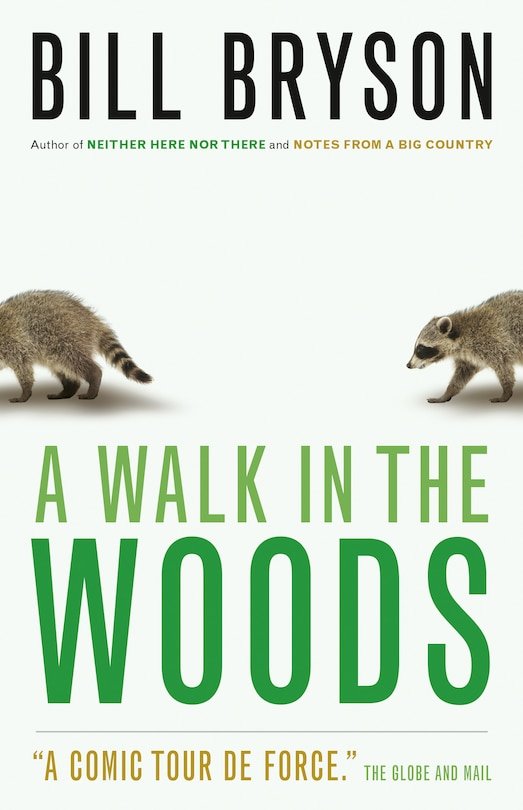
A Walk in the Woods by Bill Bryson
I was gifted this book by my family last Christmas, and finished it in the first week of the new year. As a trail runner, I was already familiar with the Appalachian Trail, but Bill Bryson has a way of diving deep into the most interesting, nuanced history of a place, and doing it all with humor and heart. The premise—Bryson’s attempt to hike the Appalachian Trail with an old friend he hasn’t seen in years—gives a firsthand account of what it takes for the average person to traverse ~2,000 miles across some America’s roughest terrain. It’s honest, it’s self-aware, and manages to wrap up educational content in a phenomenal story of friendship, resilience, and personal growth. Does it make me want to hike the AT? No, but I’m glad he tried.
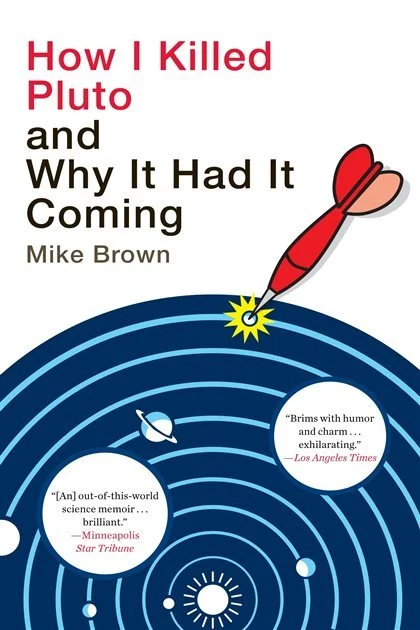
How I Killed Pluto and Why It Had It Coming by Mike Brown
In 2006, when I was ten, I read every book on space that was available in my small town’s K-8 public school library. This was the same year that Pluto was officially demoted from the pantheon of planets. I was heartbroken; I was just old enough to have constructed my understanding of the universe around the existence of nine planets, and the loss of Pluto hit me hard.
This book gave me (and my inner ten year old) closure. Brown takes the reader through the whole process of planet-finding, beginning with his own childhood love of the planets up through his time searching for new celestial bodies at CalTech. I loved learning about the history of planet classification, but this memoir also surprised me with some heartwarming stories from Brown’s personal life. The race to find new planets had so many twists and turns, and reminded me a lot of Isaacman’s The Codebreaker, except written by the subject rather than a biographer. It’s a warm, surprisingly human story about discovery and our understanding of the universe.
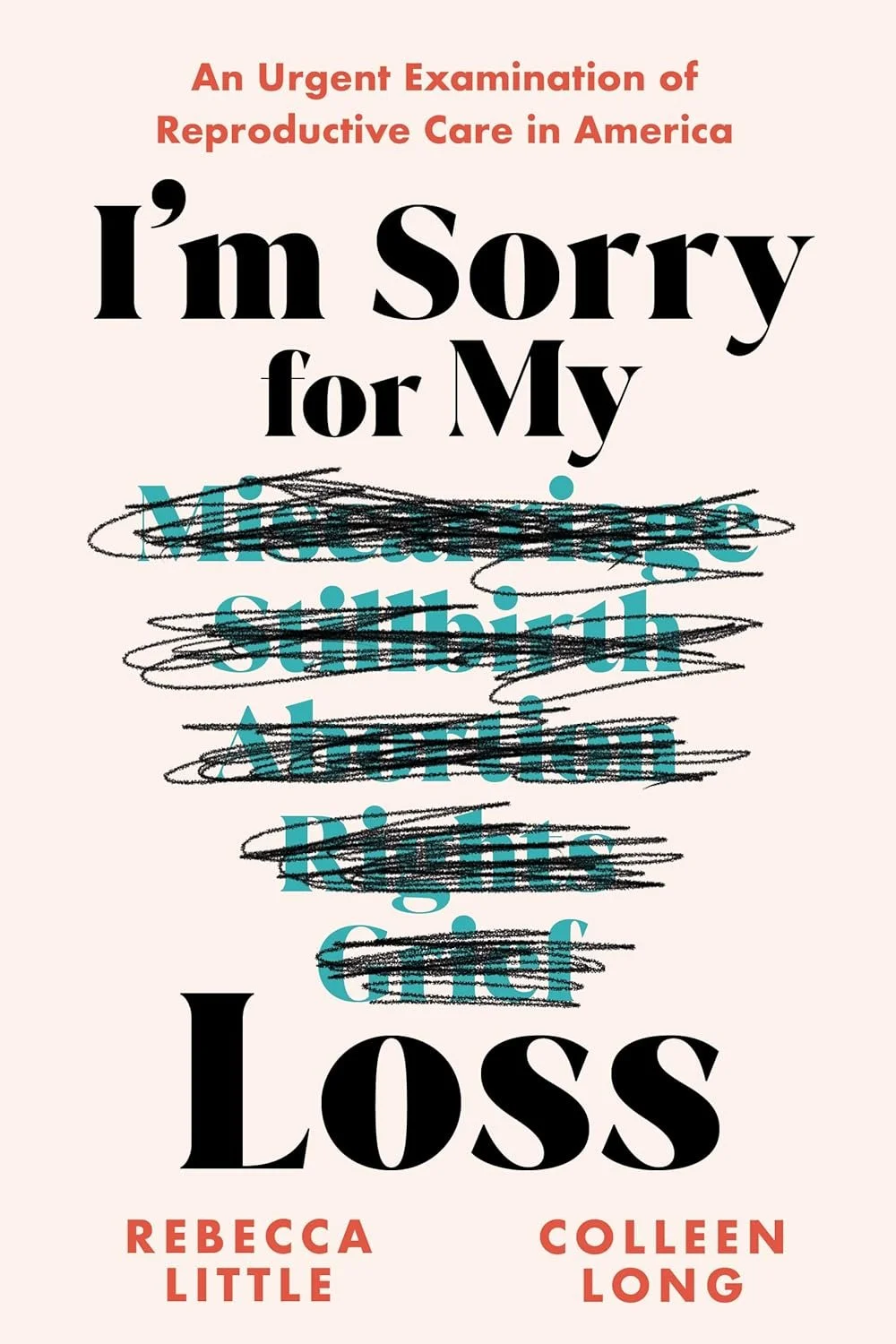
I’m Sorry for My Loss: An Urgent Examination of Reproductive Care in America by Rebecca Little and Colleen Long
This year marked the first time my friends became parents, and I don’t think I was prepared for how emotional it made me to receive the news. Needless to say, I’ve learned a lot about pregnancy and childbirth from recent exposure, and this book still managed to fill a ton of knowledge gaps. Interestingly enough, one of my pregnant friends actually recommended I read this, and in hindsight, I’m incredibly impressed that she managed to get through this book while she herself was pregnant. I’m warning you now: this is not a light read. The book covers the history of reproduction, how childbirth was slowly medicalized over time, and the way that has shifted our cultural perception of grief around miscarriage, stillbirth, and infant death. Overall, I was very impressed by the way in which the authors handled the subject matter, and I encourage anyone who is considering becoming a parent—or not—to read this.
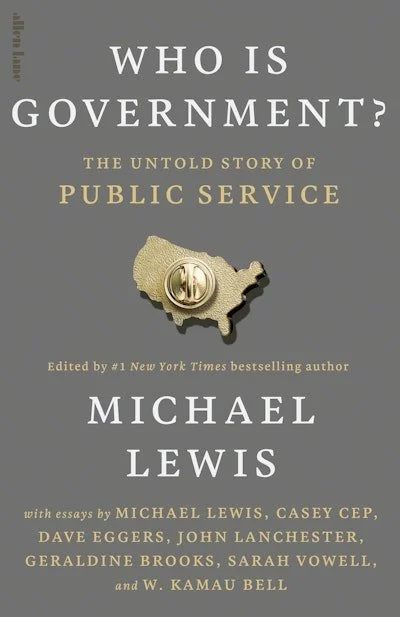
Who Is Government? The Untold Story of Public Service by Michael Lewis
I picked this up in the Concord, MA bookstore on Patriot’s Day when DOGE was in full swing. Needless to say, I was looking for a bit of light in what had been some pretty dark months; I was looking for someone, anyone, who still believed in the American experiment, in what government could do—and behold, Michael Lewis and his gang of fellow essayists, swooping in to the rescue. I loved this book not for its ambition, but for its quiet courage, the way it readjust the spotlight away from the billionaires and politicians and places it on the individuals, the humble civil servants who go to work every day and try to make our country a better place. The essay format was a perfect medium for this work, where each job is as unique as the individual. If you’re looking for an easy read for your commute, and want to restore some of your faith in our government, give this one a read.
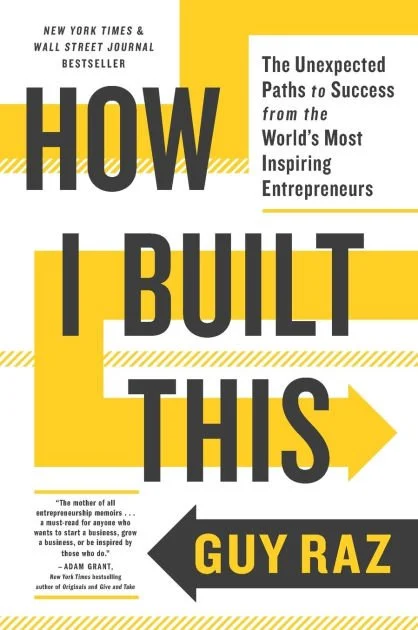
How I Built This: The Unexpected Paths to Success from the World’s Most Inspiring Entrepreneurs by Guy Raz
I haven’t actually listened to this podcast, but I’m a huge fan of Acquired, and my partner had read and recommended this book before me. Coming from an aerospace background, I have no reference point for how consumer goods companies are born and what makes them succeed, so I love getting to peak behind the curtain of established brands like Clif Bars, TRX, Allbirds, and Stacy’s Pita Chips. Each chapter is a self-contained feature of a founder and their company, so this is a great read before bed or while on the move. It left me wondering if I chose the wrong industry…
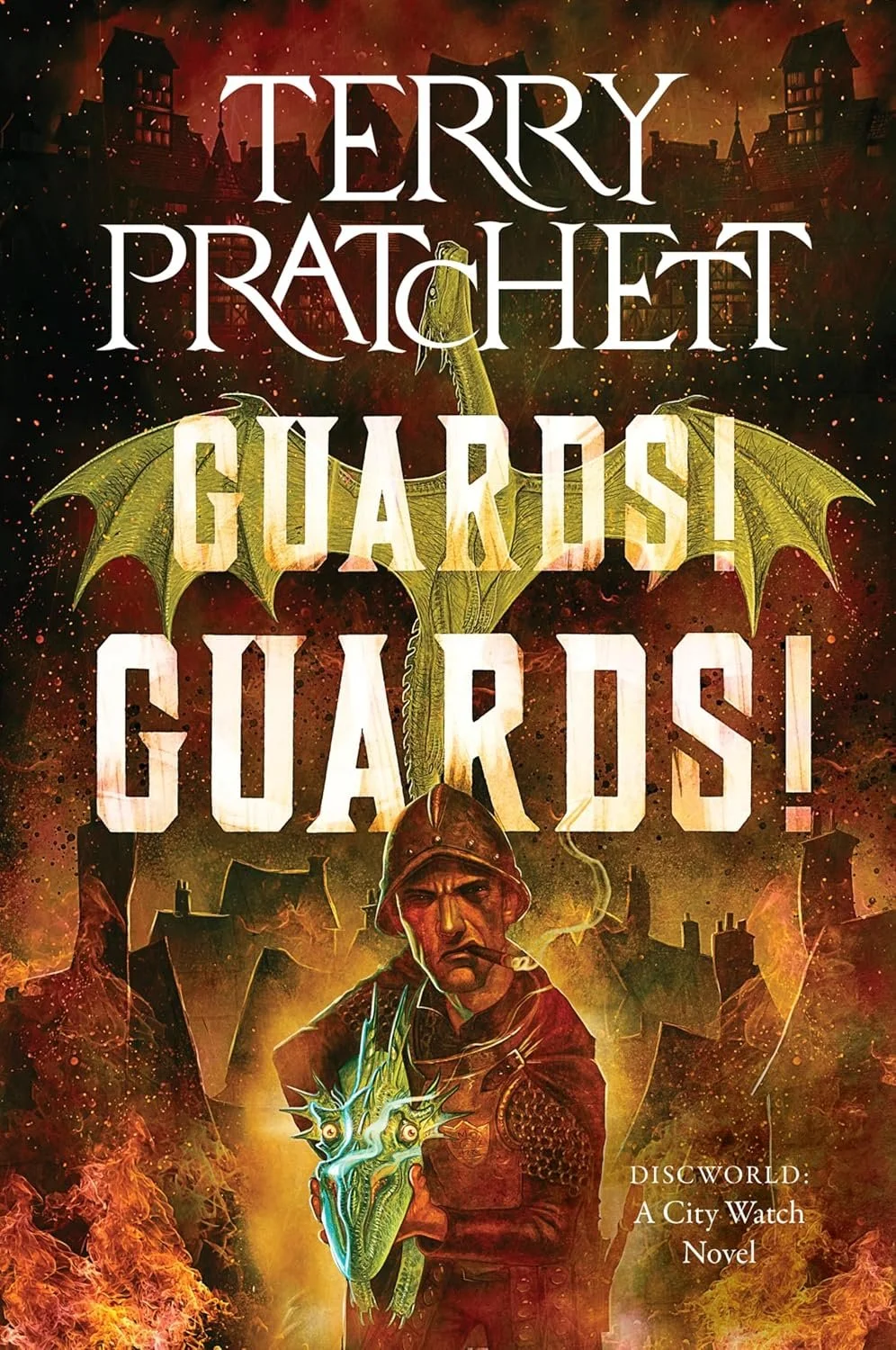
Guards! Guards! By Terry Pratchett
Sir Terry never disappoints. I’ve read several books from his Discworld series, but I tend to ration them, like tiny squares of chocolate, because I know that once I’ve read them all, that’s it. But this book in particular has been recommended to me by nearly a dozen people, and so I decided 2025 was the year I would read it.
The Guards! series is a microcosm of the Discworld books, a self-contained miniseries that follows the city watch of Ankh-Morpork, the rough and tumbledown metropolis of the Disc. Specifically, it features three characters that I absolutely adore: Sam Vimes, the lovable and flawed captain of the Watch, Lady Ramikin, the wealth patron and eccentric keeper of dragons, and Carrot Ironfoundersson, a human orphan raised by dwarves who may or may not be the chosen one. I laughed out loud continuously throughout this book, and can confidently say it is probably my favorite of the Discworld series so far.
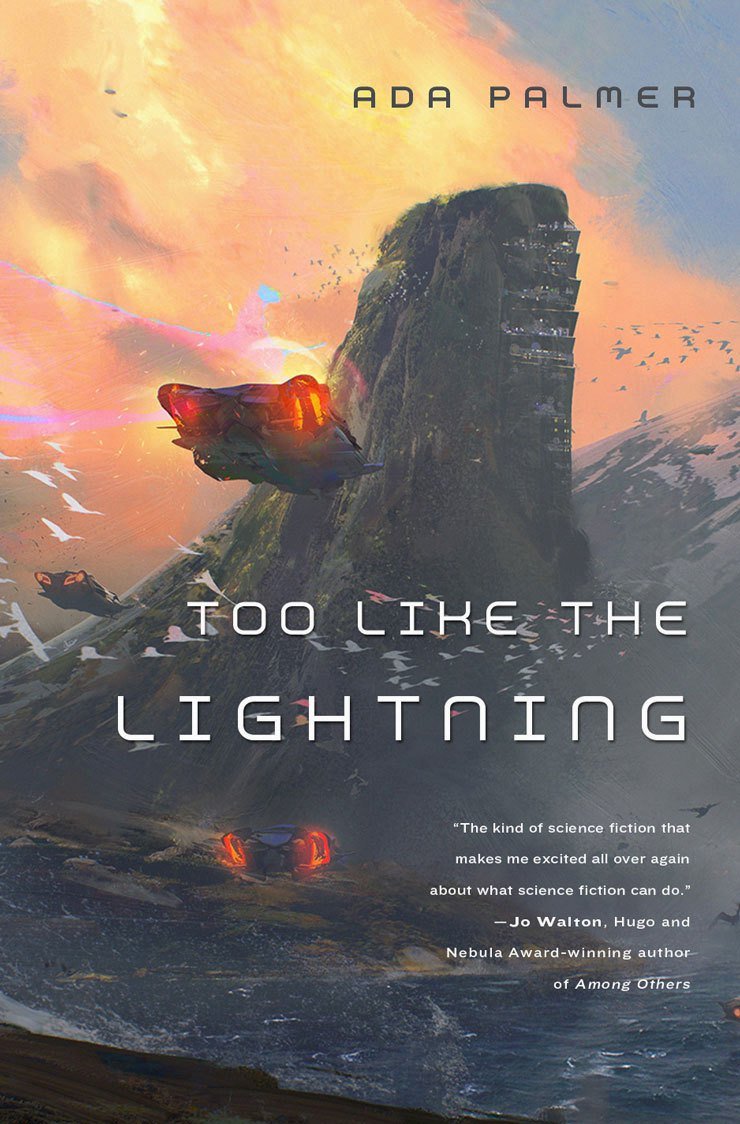
Too Like the Lightning by Ada Palmer
My sister initially tried to sell me on this book by describing it as Utopian sci-fi; upon reflection, she should have led with “Enlightenment-obsessed unreliable narrator.” It’s hard to describe this book in greater detail without giving the plot away, but picture this: it is the year 2454, and you have been handed a memoir written by a brilliant, infamous criminal named Mycroft Canner, who works to serve the world’s most influential people. The world has been enjoying several centuries of peace and prosperity; there is no war, no famine, and no nations to speak of, except for interest-based ‘Hives’ that people voluntarily join when they come of age. There are tensions between the Hives, however, and Mycroft quickly finds himself embroiled in a plot for global power, while trying trying desperately to protect a young boy named Bridger, who has mysterious abilities.
I was confused the entire way through this book, and loved every minute of it. It does not hold your hand. It will not be for everyone, but for a fan of Enlightenment philosophy and weird sci-fi, it this hit the spot.
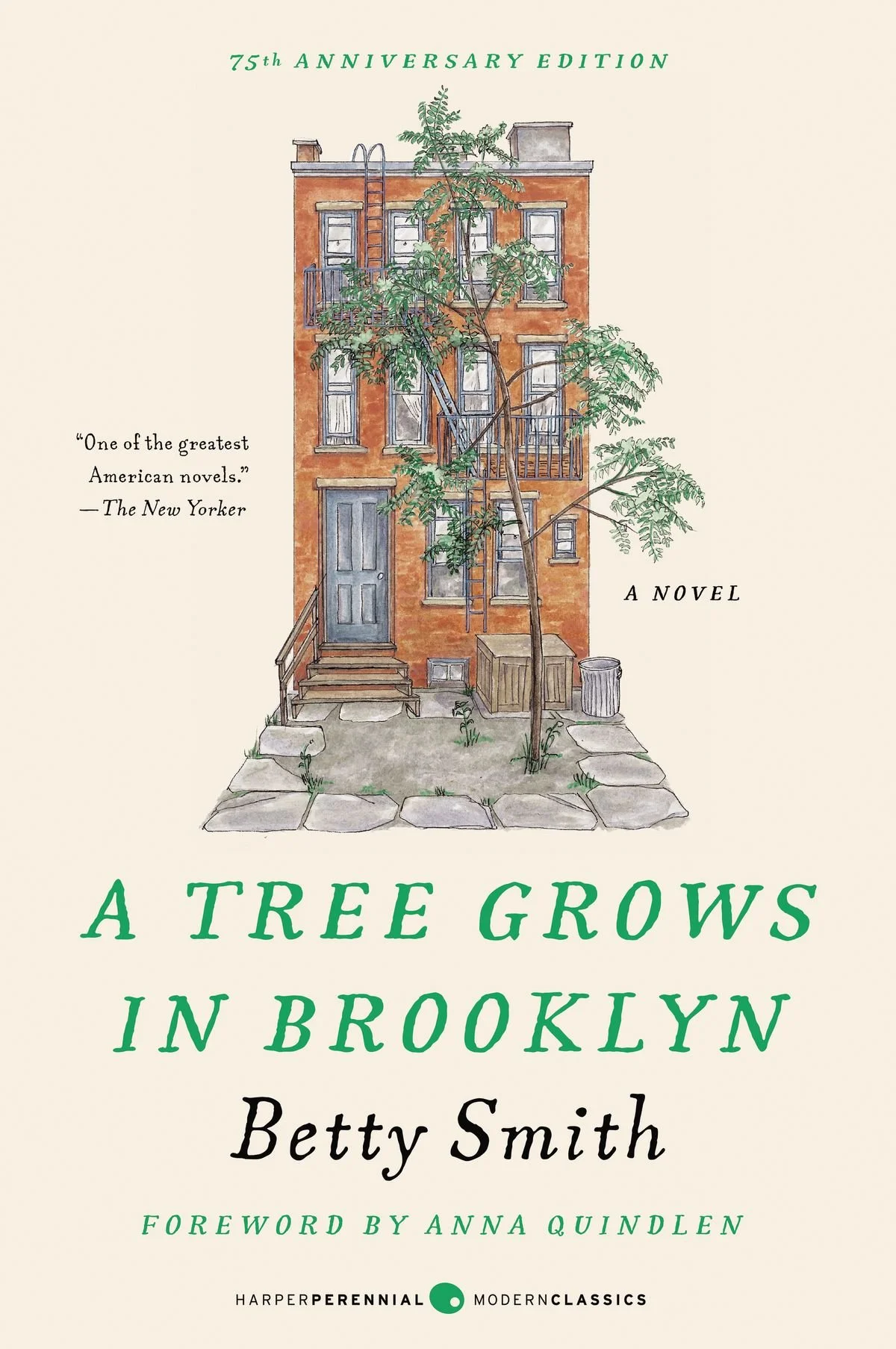
A Tree Grows in Brooklyn by Betty Smith
One of my favorite parts of my Book Club (besides the the people, of course) is that it forces me to read books that I otherwise wouldn’t get around to reading. A Tree Grows in Brooklyn was one of those books. This work is a classic for a reason: beautifully written and poignant, each chapter feels like it’s own vignette, as it follows the life of Francis Nolan as she comes of age in Williamsburg in the 1910s. Full of vibrant, complex characters, with surprisingly modern prose and humor, I feel like this work should be required reading for anyone who moves to Brooklyn.
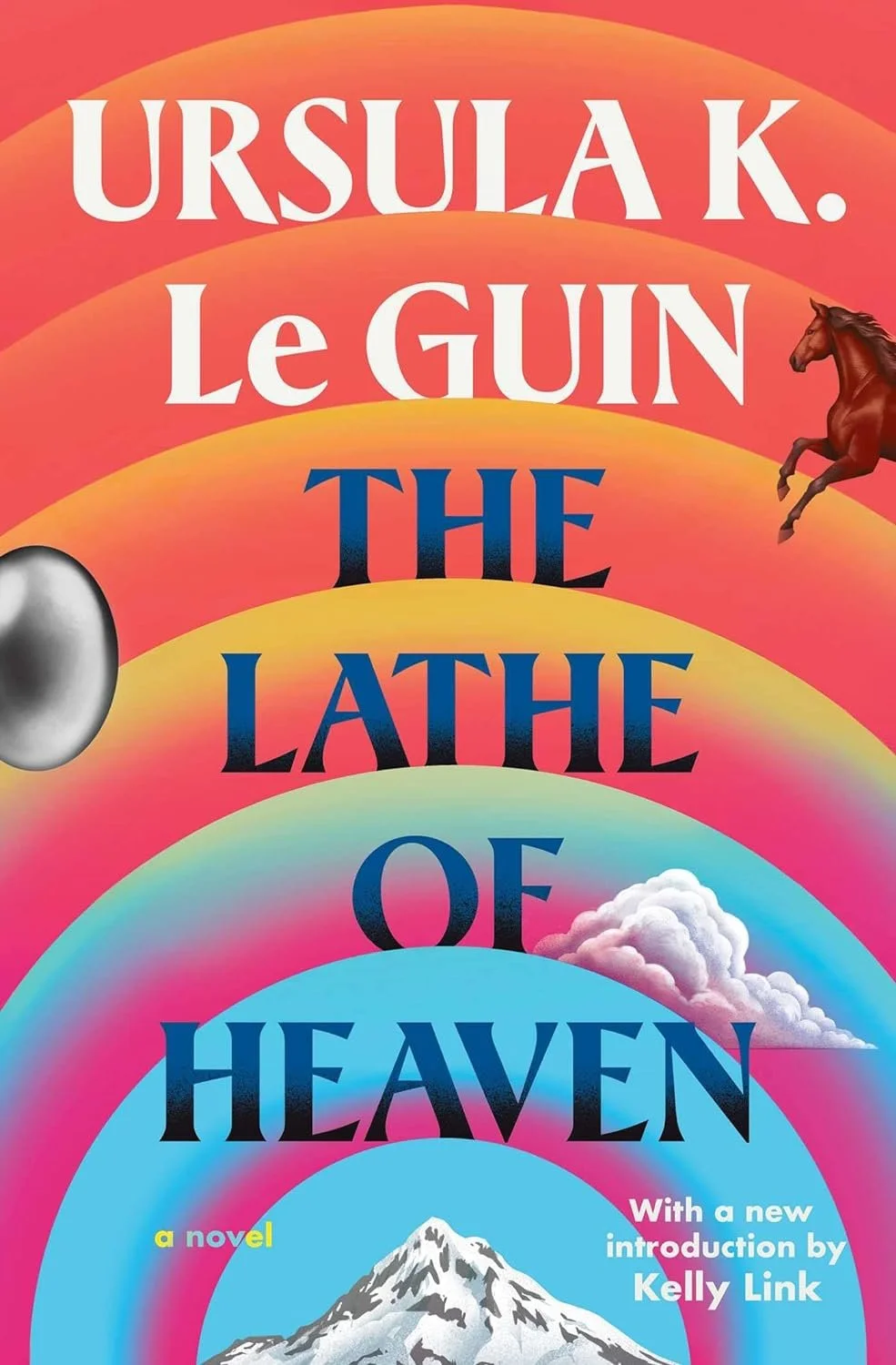
The Lathe of Heaven by Ursula K. Le Guin
Le Guin has been a staple of my yearly favorites for several years now, though The Lathe of Heaven stands out among her works. For one, it is set on Earth; and two, it features a very limited cast. There are really only three or four main characters, and this work could very easily be adapted for a black box theatre. Set in the “future” Portland in 2002, the novel follows protagonist George Orr, who has been cursed with “effective” dreams that have the ability to rewrite reality. Terrified of what his dreams may do, Orr ends up in the office of psychiatrist and sleep researcher Dr. William Haber, who is afflicted by his own sense of self-righteous ambition. What ensues is a philosophical game of whack-a-mole, in which Haber attempts to use Orr’s abilities to bend the world to his image.
Throughout the story, Le Guin effortlessly weaves in elements of Daoism, utilitarianism, and positivism, without ever feeling preachy or prescriptive. It is also one of the rare instances where a protagonist with little to no agency actually serves the story. I thoroughly enjoyed this story, and in particular one quote has stuck with me after reading:
“The end justifies the means. But what if there never is an end? All we have is means.”
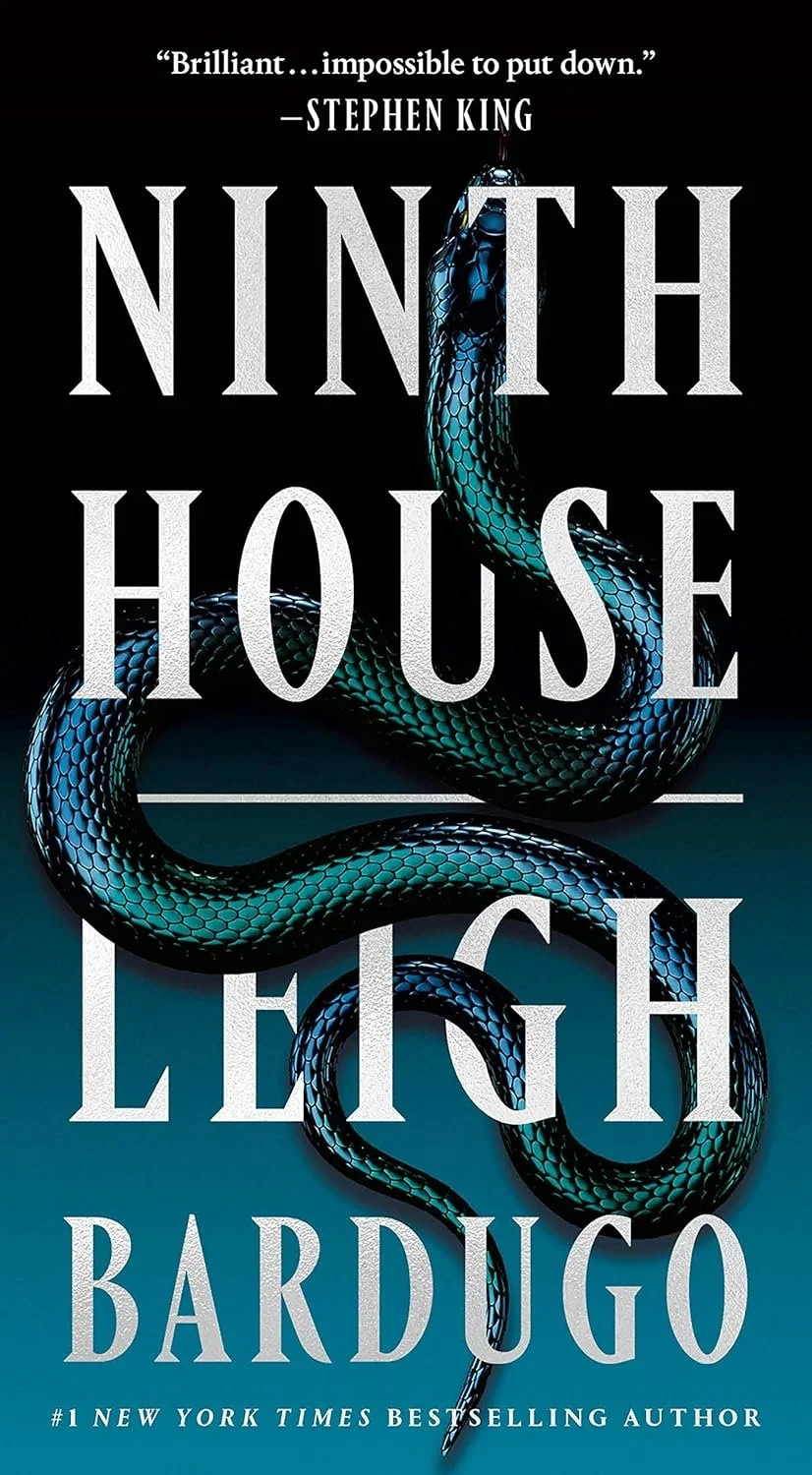
Ninth House by Leigh Bardugo
If you’re a fan of dark academia, dark fantasy, mysteries, or secret societies, you’ll enjoy Ninth House. Set in modern-day Yale, the story follows Alex Stern, a 20-year-old high school dropout who is offered a full-ride scholarship due to her ability to see dead people. Once on campus, Alex begins working for Lethe, the fictional ninth house on Yale’s campus responsible for overseeing the other eight secret societies, but quickly becomes embroiled in a investigation of a young girl’s murder, with evidence pointing to society involvement. With delightful worldbuilding and grounded, empathetic characters, Ninth House delivers on all of its promises, and will leave you wondering what secrets lurk under your alma mater.
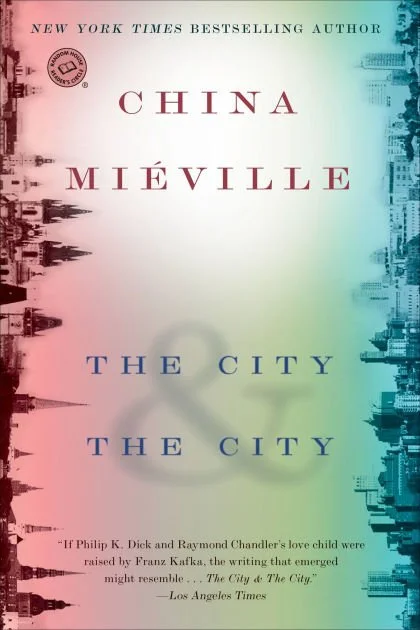
The City and the City by China Mieville
My first exposure to China Mieville’s work was Perdido Street Station, which made my 2024 roundup. I won’t pretend to compare the two, as they are very different novels, but they are both delightfully weird. The City and the City follows a murder investigation across two cities that are superimposed on each other across space, where citizens are refused to acknowledge or visit the other, lest they incur the wrath of Breach, an entity responsible for keeping the two societies separate. Featuring delightful worldbuilding, this work will appeal to anyone who likes crime novels or weird, unclassifiable fiction. China Mieville is a master of weird wrapped up in the grounded, and while I’m not super familiar with the crime/police procedural drama, but this was a fantastic ride.
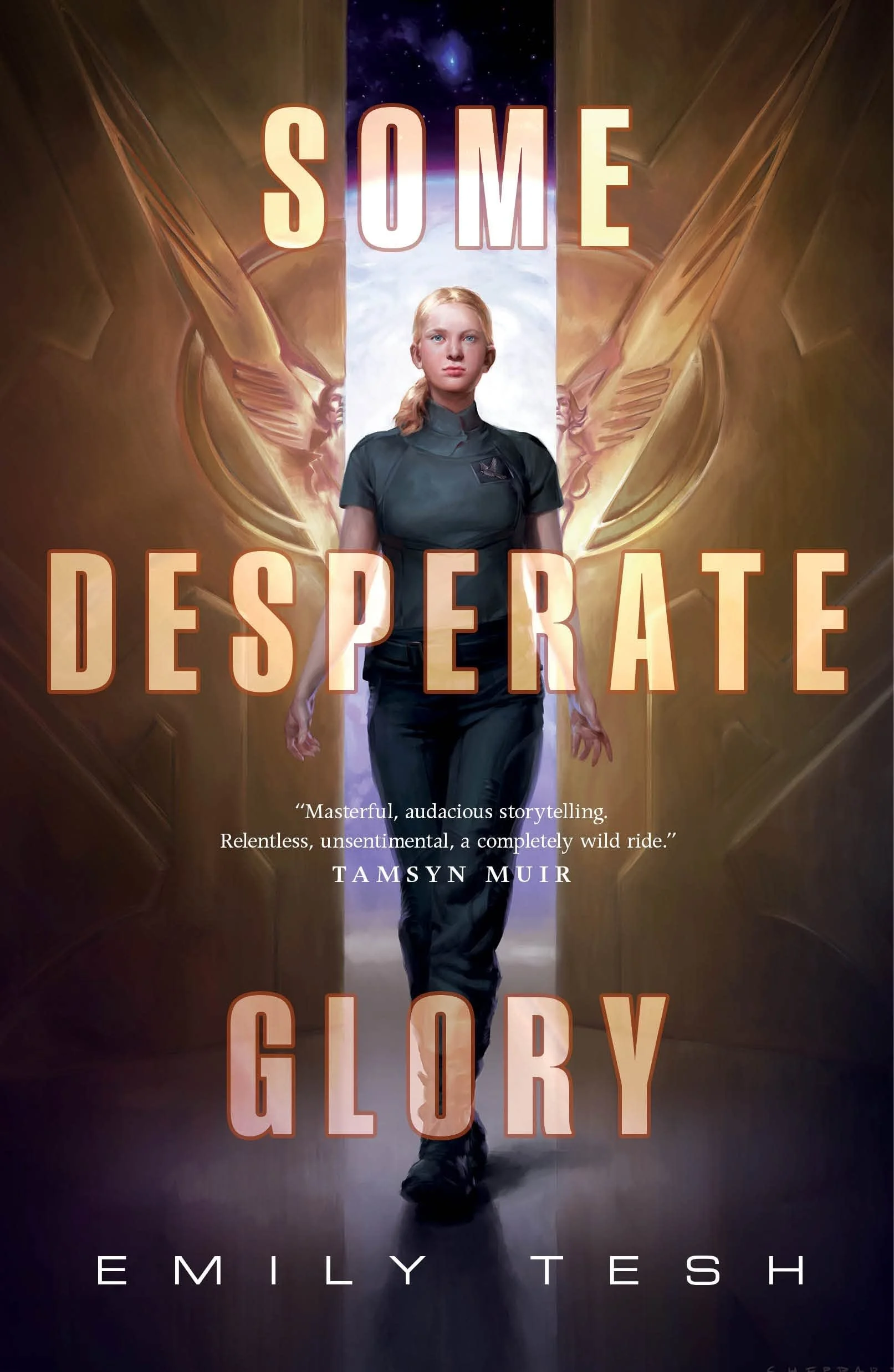
Some Desperate Glory by Emily Tesh
Last but certainly not least, this book was quite possibly my top read of the year. Set in the far future, after the absolute destruction of Earth, this book follows Valkyr, a young cadet on the Gaea Station, who has been training her entire life to revenge her fallen home world. The first third of this book feels a bit like the YA stories of the late 2000s or 2010s, but then everything flips, and the last two thirds are some of the most fun I’ve had with a science fiction story. At the risk of spoiling the book, Emily Tesh skillfully weaves in a discussion of programming, fascism, gender politics, and the ways that nationalism can warp our sense of history into action-packed pages and compelling characters. If you’re looking for a solid, standalone science fiction novel with excellent character development, this is the one.